Jobs in the garden - June
Written by Daily Fix - Published 01-Jun-2019, last updated 21-Jun-2024
June is usually one of the hotest months of the year so it's a great time to site back and enjoy your garden. But don't take it too easy, there are still gardening jobs you need to keep on top of in June. And make sure you've finished all those gardening jobs for May - if not, try to complete them before June runs away with you.
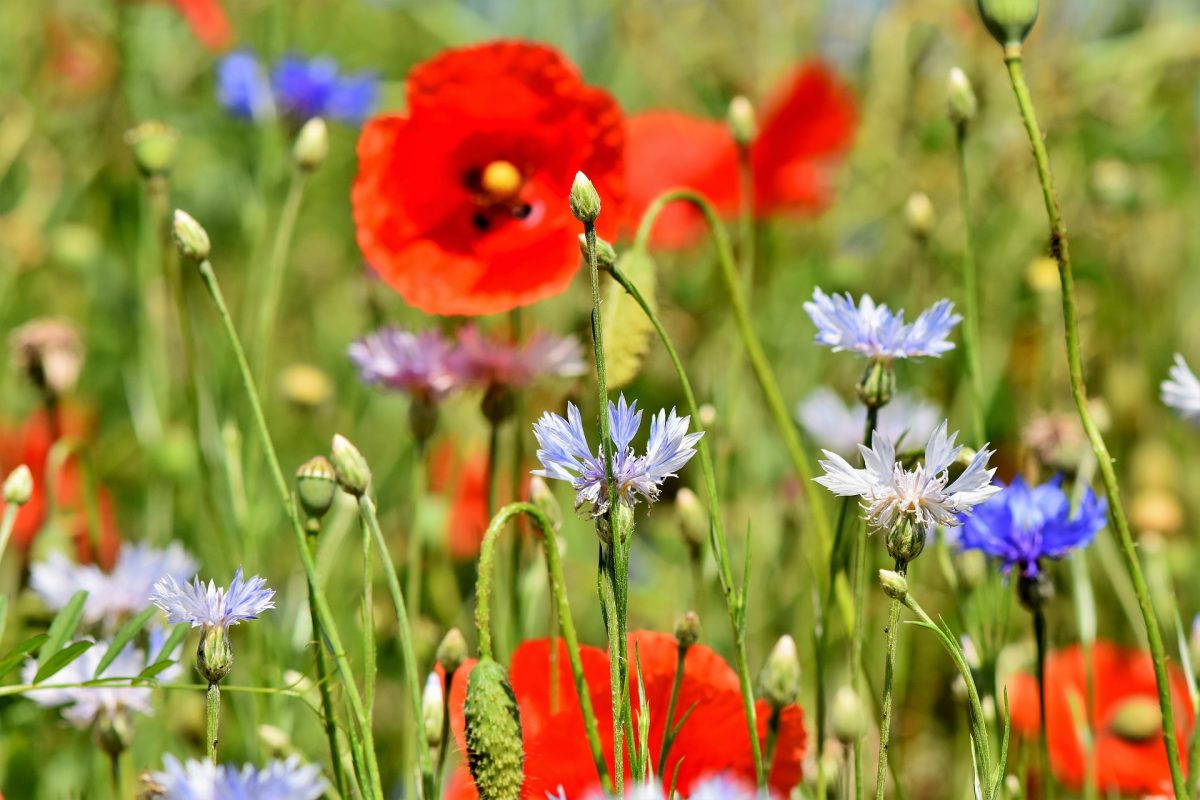
Deadhead Spring flowers to encourage repeat flowering
Encouraging repeat flowering in bedding plants and perennial flowers can be achieved through the simple practice of deadheading. By removing the faded blooms, you not only maintain a neat and tidy appearance in your garden but also stimulate the plant to produce more flowers. The process involves snipping off the spent blossoms, typically cutting just above a set of healthy leaves or buds. This action redirects the plant's energy towards promoting new growth and blooming rather than expending resources on seed production.
In addition to enhancing continuous flowering, deadheading promotes a healthier garden overall. By eliminating fading blooms promptly, you reduce the risk of attracting pests or diseases that may target aging flowers or weakened plants. This practice also improves aesthetic appeal by keeping your garden looking fresh and vibrant throughout the season.
By incorporating regular deadheading into your gardening routine, you can enjoy an abundance of colorful blooms throughout the season while maintaining a visually stunning and well-maintained garden space.
Water containters and new plants
Watering is a crucial task when it comes to growing plants and flowers in containers, especially during the month of June. However, it's not just container-grown plants that require proper watering; those growing in open soil, especially the newly planted, may also demand additional hydration during extended dry spells.
Consistent watering practices become essential to sustain healthy growth and blooming throughout this (hopefully) sun-drenched month!
Incorporating mulch around container plants and open-soil gardens can aid in moisture retention as well. Mulching helps trap water within the soil, thereby reducing evaporation caused by sunlight exposure. Additionally, efforts should be made to water early in the morning or late evening when temperatures are cooler; this prevents excessive evaporation due to high heat.
Ensuring adequate hydration for both container and open-soil plants throughout June is essential for their survival and vitality.
Harvest summer fruiting raspberries
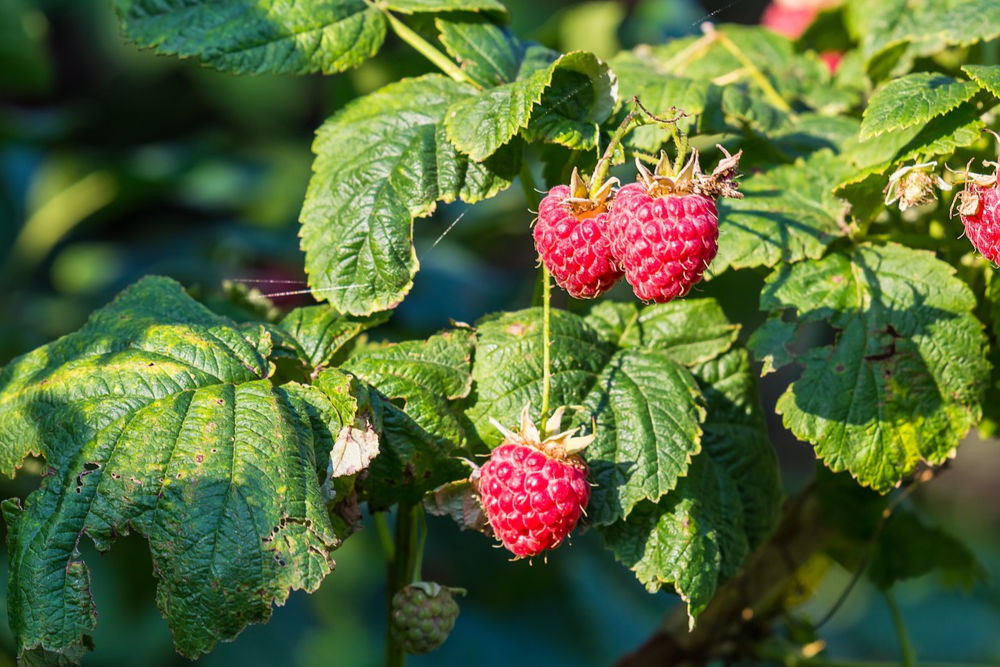
During the month of June, when summer is in full swing, it is time to harvest your summer-fruiting raspberry crop - if the birds didn't get to them first!
To ensure that you do not miss out on the opportunity to taste these delectable treats, make it a part of your daily routine to check your raspberry canes for ripe fruits. The vibrant red color and firm texture are indicators that they are ready to be plucked from the vine. Be careful not to damage neighbouring unripe berries as you pick.
When picking raspberries, gently twist or pull them from the plant using your fingertips. Avoid using excessive force that could lead to bruising or damaging the delicate fruits. It is best to gather them into small baskets or containers to prevent smashing under their own weight.
Once you have finished harvesting raspberries, it's the best time to prune summer fruiting raspberries.
To further encourage their growth, remove any weak or diseased raspberry canes during this time. It allows more energy to be directed towards developing stronger shoots that will yield abundant crops in future years. Additionally, properly supporting and training the remaining canes will help maintain their health and maximize fruit production.
With dedication and consistent monitoring, you can successfully harvest an ample supply of mouthwatering raspberries throughout sunny June days while outsmarting those pesky birds who also appreciate these tasty treasures!
Get a head start on July
Look forward to next monthy by making plans for your gardening jobs for July.